
Bat Anatomy & Senses: How Bats “See” in the Dark
Try this fun classroom experiment to demonstrate echolocation:
- No prep
Try this fun classroom experiment to demonstrate echolocation:
- Have one student be the “bat” (blindfolded) and another be the “moth.”
- The “bat” says “ping!” while the “moth” claps softly from somewhere nearby.
- Each time, the “bat” tries to move closer, using only sound.
It’s a playful way to help kids understand how bats navigate using echoes.
You can also connect this to STEM learning by discussing how humans use sonar and radar for navigation and scientific exploration, bridging biology and physics together in one engaging lesson.
Where it comes from
Bats aren’t birds, and they’re not rodents either, they’re mammals with one of nature’s most incredible flight designs. Their wings are actually hands, with skin stretched between long, thin finger bones. This structure gives them amazing flexibility and control mid-flight, think of it like flying with your hands open wide!
The thin membrane (called the patagium) covering the bones is packed with sensitive receptors that help bats detect air currents. Some species can even feel the movement of insects with their wing membranes. Their lightweight bones and strong chest muscles make them agile flyers that can swoop, dive, and hover with incredible precision.
Fun fact: The word “Chiroptera,” the scientific order for bats, means “hand-wing” in Greek!
Read the blog post ↗ Bat Anatomy & Senses: How Bats “See” in the Dark · 2025-10-31
Workspace
Run it with your class
Set up the class, count what needs counting, write down what happened, then save it and take it with you. Everything here stays in this browser until you download it.
The class
Counters
Results table
Notes as you go
This activity has no numbered steps, so use the notes box.
Activities like this one
Why Bats Don’t Produce Pellets Like Owls
Goal: Teach students that different predators leave different kinds of evidence based on diet and digestion.
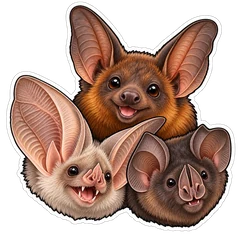 Bats
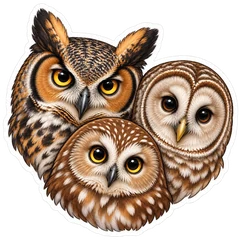 Owls
3 steps · Kit needed
Run ✓
Is This Bat House Still Helpful?
Turn the question into a simple habitat investigation.
Bats
5 steps · Print & go
Run ✓
International Bat Night Watch Party
This works for classrooms, homeschool groups, nature clubs, and late-summer camp evenings.
Bats
1 steps · Kit needed
Run ✓