
Campfire Claim Cards
Turn bat box stories into an evidence-sorting activity.
- Print & go
- 1 steps
Every campfire has a bat story.
Turn bat box stories into an evidence-sorting activity.
“Bat boxes fill up overnight.”
“Bats always fly into hair.”
“Bats eat insects at night.”
“A bat box works best when habitat is nearby.”
“If no bats come the first week, the box failed.”
“Bright lights can affect nighttime animals.”
What Students Do
Read the claim like a mystery clue.
Sort it into true, exaggerated, or needs more evidence.
Add evidence from the lesson.
Revise one claim into a more scientific sentence.
Example revision: “A bat box may attract bats if it offers safe roosting conditions and is placed near suitable habitat.” That is a much better campfire story.
Where it comes from
Someone points at the dark edge of the trees and whispers, “I heard if you put up a bat box, hundreds of bats show up overnight.” Another student says, “My cousin says bats always fly into your hair.” Then someone spots a tiny shape flicker across the sky: silent, fast, gone. Perfect.
Because bat boxes are not just wildlife homes. They are story starters. And for your students, every story can become a science mystery: What is true? What is a clue? What needs more evidence?
Read the blog post ↗ Storytime Sleuths #3: Campfire Stories of the Bat Box · 2026-06-10
Workspace
Run it with your class
Set up the class, count what needs counting, write down what happened, then save it and take it with you. Everything here stays in this browser until you download it.
The class
Counters
Results table
Notes as you go
Activities like this one
Build the Wildlife Starting Lineup
Turn the question into a low-prep debate and sorting activity.
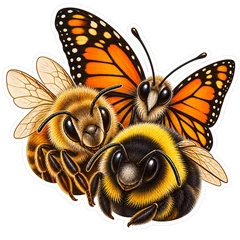 Bees & pollinators
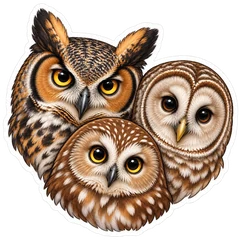 Owls
5 steps · Print & go
Run ✓
Can Owls and Bats Smile
For each image, students do two columns:
Owls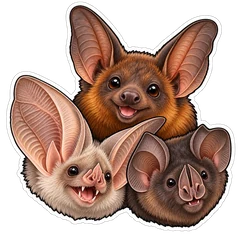 Bats
Kit needed
Run ✓
Is This Bat House Still Helpful?
Turn the question into a simple habitat investigation.
Bats
5 steps · Print & go
Run ✓