
The Life of an Apex Predator
This makes the term precise and prevents “apex = unstoppable.”
- Print & go
“Apex predator” sounds like a crown. For an owl, it’s more like a job title with long hours, constant risk, and no sick days.
Activity: “Apex or Not” Food Web Sorting
Give students cards for:
- Great Horned Owl
- Barred Owl
- Barn Owl
- Screech-Owl
- hawk/eagle
- small mammals
- insects
- snakes
- humans (habitat change, roads, toxins)
Students build a web and answer:
- Which owl is apex here and why
- What could prey on it (if anything)
- What threats are not predators but still deadly
One CER statement:
- Claim: “In this ecosystem, ___ is an apex predator.”
- Evidence: who eats whom and who is not eaten
- Reasoning: position and influence
- Limitation: “This depends on ecosystem and life stage.”
This makes the term precise and prevents “apex = unstoppable.”
Where it comes from
Owls have a reputation. Silent flight. Laser hearing. Night-vision stare. The whole “ghost of the woods” vibe.
So it’s tempting to say: Owls are apex predators. They’re at the top. They don’t need to worry.
Read the blog post ↗ The Life of an Apex Predator · 2026-03-27
Workspace
Run it with your class
Set up the class, count what needs counting, write down what happened, then save it and take it with you. Everything here stays in this browser until you download it.
The class
Counters
Results table
Notes as you go
This activity has no numbered steps, so use the notes box.
Activities like this one
Build the Wildlife Starting Lineup
Turn the question into a low-prep debate and sorting activity.
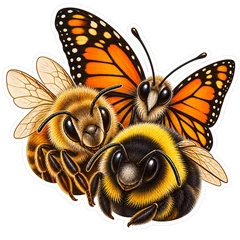 Bees & pollinators
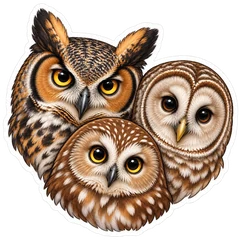 Owls
5 steps · Print & go
Run ✓
Apex Matchup Cards
Then give them scenario cards and ask them to decide who has the advantage, and why.
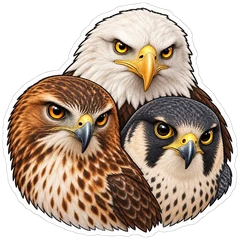 Hawks, eagles & falconsOwls
Print & go
Run ✓
Can Owls and Bats Smile
For each image, students do two columns:
Owls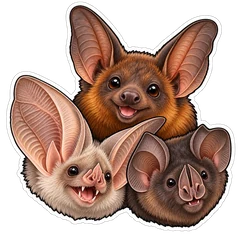 Bats
Kit needed
Run ✓