
Build a Bat Energy Budget
You can run this as a 10, 15 minute discussion or a full activity.
- No prep
- 3 steps
You can run this as a 10, 15 minute discussion or a full activity.
- Start each group with 100 energy points.
- One day in torpor:, 1 point
- One arousal event:, 15 points
- Disturbance (noise/light/visitor): triggers +1 arousal
-
Dry air: +1 arousal every 7 “days”
(These are classroom-friendly numbers, not literal physiology, but they model the real idea: arousals are costly.)
- What happens if arousals happen more often?
- Which strategy lasts longer: “mostly torpor” or “frequent wake-ups”?
- How could winter habitat (humidity, temperature stability) change the outcome?
Tie it back to real research: bats affected by white-nose syndrome have been documented arousing more frequently, which is linked to survival outcomes.
Questions to ask
- Ask the big questions What happens if arousals happen more often?
- “mostly torpor” or “frequent wake-ups”?
- How could winter habitat (humidity, temperature stability) change the outcome?
Where it comes from
Winter is a shutdown season for insects, and that’s a problem if your whole life runs on flying and eating bugs. So bats do something that feels like science fiction the first time students really “get” it:
They don’t just sleep… they hit the metabolic brakes.
This is the bat survival trick your students will remember long after the unit ends: torpor (and, for many species, full-on hibernation).
Read the blog post ↗ Bats in Winter: The Survival Trick Your Students Will Never Forget · 2026-01-16
Workspace
Run it with your class
Set up the class, count what needs counting, write down what happened, then save it and take it with you. Everything here stays in this browser until you download it.
The class
Counters
Results table
Notes as you go
Answers to the questions
Activities like this one
The Water Signal Challenge
This quick activity helps students model how animals use clues, not perfect information, to make decisions.
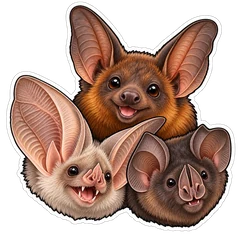 Bats
1 steps · Kit needed
Run ✓
Build a Bat Sound Decoder
Turn bat communication into a classroom investigation using sound patterns.
Bats
Print & go
Run ✓
Is This Bat House Still Helpful?
Turn the question into a simple habitat investigation.
Bats
5 steps · Print & go
Run ✓