
The Water Signal Challenge
This quick activity helps students model how animals use clues, not perfect information, to make decisions.
- Kit needed
- 1 steps
This quick activity helps students model how animals use clues, not perfect information, to make decisions.
Make the bat connection
Water: smooth, flat, reflective surface.
Cloth: soft, uneven, echo-scattering surface.
Cardboard: flat, but not a true water source.
That last sentence matters. A smooth surface is a clue, not a rule.
Questions to ask
- If you were a bat using echoes, which surface might give you a water clue?
- What else would you need to know?
Where it comes from
At dusk, a pond can look almost empty. No splashing. No bright colors. Just a dark sheet of water holding the last light of the sky. Then a bat appears. It flickers low over the surface, turns sharply, drops close, and is gone before students can even point.
Was it hunting? Maybe. Was it drinking? Very possibly. For many bats, water is not something they stroll up to in daylight. It is something they find, test, and sip while flying through the dark.
Bats are famous for echolocation, but students sometimes imagine it like a flashlight. It is not light at all. A bat sends out high-pitched sounds. Those sounds bounce off objects and return as echoes. The bat’s brain uses those echoes to build a map of the space around it. That map can include:
Read the blog post ↗ How Bats Find Water in the Dark: The Nighttime Sip You Never See · 2026-07-29
Workspace
Run it with your class
Set up the class, count what needs counting, write down what happened, then save it and take it with you. Everything here stays in this browser until you download it.
The class
Counters
Results table
Notes as you go
Answers to the questions
Activities like this one
Build a Bat Sound Decoder
Turn bat communication into a classroom investigation using sound patterns.
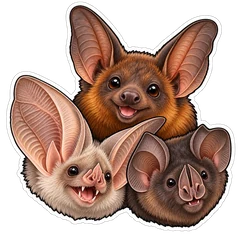 Bats
Print & go
Run ✓
Build a Bat Energy Budget
You can run this as a 10, 15 minute discussion or a full activity.
Bats
3 steps · No prep
Run ✓
Is This Bat House Still Helpful?
Turn the question into a simple habitat investigation.
Bats
5 steps · Print & go
Run ✓