
How Predators Interact in Spring
Have students build a simple map with:
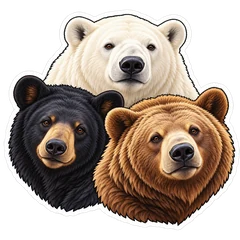 Bears
- Print & go
Spring is when predators don’t just hunt. They renegotiate the entire neighborhood.
Activity: Spring Predator Interaction Map
Have students build a simple map with:
- a creek corridor
- an open meadow edge
- a forest patch
- a carcass site
- a bat flight line over water
- an owl perch zone
Assign predator cards: bear, wolf pack, owl, bat colony.
Then give “spring event cards”:
- early melt
- late snow year
- winter-kill carcass revealed
- newborn prey season
- nesting season begins
Students answer:
- Who converges on the same resource in spring
- Who avoids whom and why
- Who benefits from leftovers
- Who becomes prey in another chain
Finish with a CER:
“In spring, predator interactions increase around ____ because ____.”
Where it comes from
If winter is survival math, spring is a full ecosystem reboot. Snow breaks up, prey starts moving differently, babies show up, and everybody’s energy budget gets recalculated.
That’s why spring is one of the best seasons to teach predator interaction. Because the interactions aren’t just “who eats whom.” They’re about timing, territory, and opportunity.
Read the blog post ↗ How Predators Interact in Spring · 2026-03-20
Workspace
Run it with your class
Set up the class, count what needs counting, write down what happened, then save it and take it with you. Everything here stays in this browser until you download it.
The class
Counters
Results table
Notes as you go
This activity has no numbered steps, so use the notes box.
Activities like this one
Pack, Colony, Pair, or Solo?
Here is a simple classroom activity that helps students compare social behavior without mixing up the terms.
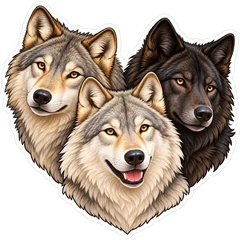 Wolves
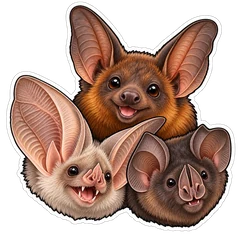 Bats
Print & go
Run ✓
Weird Anatomy Club
Give students feature cards and have them match each to a function:
Bats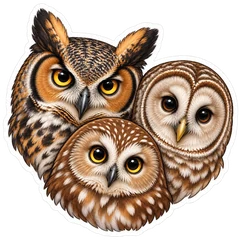 Owls
Print & go
Run ✓
Build the Wildlife Starting Lineup
Turn the question into a low-prep debate and sorting activity.
 Bees & pollinatorsOwls
5 steps · Print & go
Run ✓