
Pack, Colony, Pair, or Solo?
Here is a simple classroom activity that helps students compare social behavior without mixing up the terms.
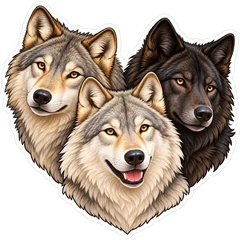 Wolves
- Print & go
a group is not always a pack.
Here is a simple classroom activity that helps students compare social behavior without mixing up the terms.
Give students animal cards: wolf, owl, bear, bat, bee, eagle, deer, penguin, coyote, and fox.
Then create four classroom categories:
- Pack: long-term cooperative group, often family-based
- Colony: many animals living or nesting close together
- Pair/Family Unit: parents and young, or breeding pair
- Mostly Solo: usually lives and hunts alone
Students place each animal card into the best category and must explain their choice with evidence.
For the main four animals, students should land here:
- Wolf → Pack
- Bat → Colony
- Bear → Mostly Solo / Mother-cub family unit
- Owl → Mostly Solo / Breeding pair
Then ask:
- What is the difference between a pack and a colony?
- Why might hunting alone help an owl?
- Why might roosting together help bats?
- Why does a wolf need cooperation more than a bear does?
- Can an animal be social sometimes, but not a pack animal?
That last question is the big takeaway.
Questions to ask
- What is the difference between a pack and a colony?
- Why might hunting alone help an owl?
- Why might roosting together help bats?
- Why does a wolf need cooperation more than a bear does?
Where it comes from
Imagine four animal scenes: a wolf trots through the forest with its family, working together to defend territory and raise pups. A bat colony pours out of a cave at sunset, thousands of wings flickering into the sky. A mother bear moves through the woods with two cubs behind her. An owl sits alone on a branch, watching the field below.
They are all animal groups, or at least animal moments involving more than one creature. But are they all packs? Not quite. This is where students can learn a big wildlife idea: living near others is not the same as living like a pack. Wolves are true pack animals. Owls, bears, and bats each have their own social style, and those differences tell us a lot about how they survive.
Read the blog post ↗ Comparing Solitary Hunters, Colonies, and True Packs · 2026-05-15
Workspace
Run it with your class
Set up the class, count what needs counting, write down what happened, then save it and take it with you. Everything here stays in this browser until you download it.
The class
Counters
Results table
Notes as you go
This activity has no numbered steps, so use the notes box.
Answers to the questions
Activities like this one
How Predators Interact in Spring
Have students build a simple map with:
 Bears
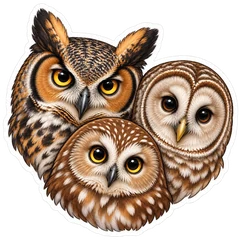 Owls
Print & go
Run ✓
Weird Anatomy Club
Give students feature cards and have them match each to a function:
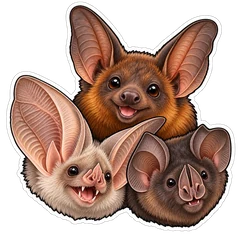 BatsOwls
Print & go
Run ✓
Build the Wildlife Starting Lineup
Turn the question into a low-prep debate and sorting activity.
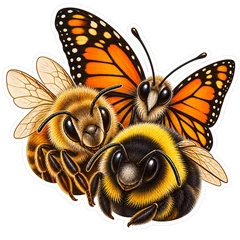 Bees & pollinatorsOwls
5 steps · Print & go
Run ✓