
Who’s in Charge? Animal Council Game
This activity lets students act out animal decision-making without turning animals into cartoons.
- Print & go
If bees have a queen, should wolves have a king?
This activity lets students act out animal decision-making without turning animals into cartoons.
How to play
Choose a group: each team receives one animal group card.
Draw a problem: the group must solve a survival challenge.
Assign roles: students decide which animal role has the best information.
Defend the decision: teams explain who leads and why.
Add a twist: change the season, add a predator, or remove a food source.
Sentence frame
“In our animal group, the best leader for this problem is ___ because ___.”
Did one animal lead every time, or did leadership change with the situation?
Questions to ask
- Did one animal lead every time, or did leadership change with the situation?
Where it comes from
It sounds like the start of a very tiny fairy tale. A queen bee sits at the center of a buzzing colony. A wolf pack moves through snow like a team. A herd of bison shifts across grassland as if someone gave a secret signal.
So students naturally ask: Who is in charge? The fun answer is: sometimes an animal group has a leader, sometimes it has parents, sometimes it has experienced elders, and sometimes the “boss” changes with the problem. Nature is less like a castle. It is more like a group project where survival is the grade.
Read the blog post ↗ If Bees Have a Queen, Do Wolves Need a King? · 2026-07-21
Workspace
Run it with your class
Set up the class, count what needs counting, write down what happened, then save it and take it with you. Everything here stays in this browser until you download it.
The class
Counters
Results table
Notes as you go
This activity has no numbered steps, so use the notes box.
Answers to the questions
Activities like this one
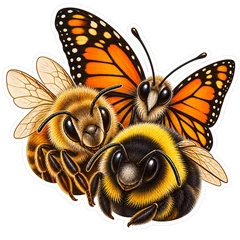
Where Would You Winter? Bee Sort
This is a low-prep activity that turns bee survival into evidence-based thinking.
 Bees & pollinators
4 steps · Print & go
Run ✓
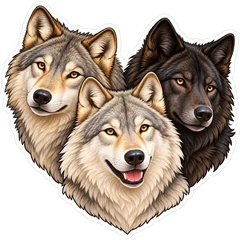
Are We a Pack? Role-Play Lab
This low-prep activity works well after a wolf story, winter ecology lesson, or predator-prey unit.
 Wolves
6 steps · Print & go
Run ✓
Pack, Colony, Pair, or Solo?
Here is a simple classroom activity that helps students compare social behavior without mixing up the terms.
Wolves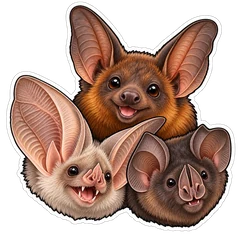 Bats
Print & go
Run ✓