
KidWings

Science for Children of All Ages.

Hoot & Hunt

A young owl learning to judge a distance, four times over.

A barn owl is not born knowing how far away anything is. It leaves the nest able to fly and almost unable to hunt, and spends weeks finding out that prey is small, that it moves, and that you have to aim where it is going. These four levels are that fortnight, in about ten minutes.

How to play

three things, that is the whole game
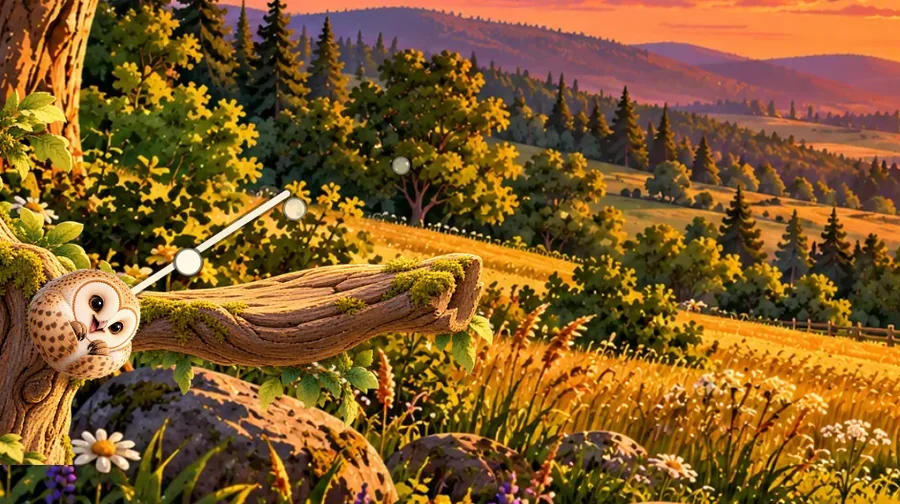
  1. The owl pulled back off her branch, with three dots showing the start of the flight

    1Pull her back

    Press on the owl and drag her backward off the branch. The farther back you pull, the harder she goes. Three little dots show you the first part of the flight. That is all the help you get, so the rest is up to you.

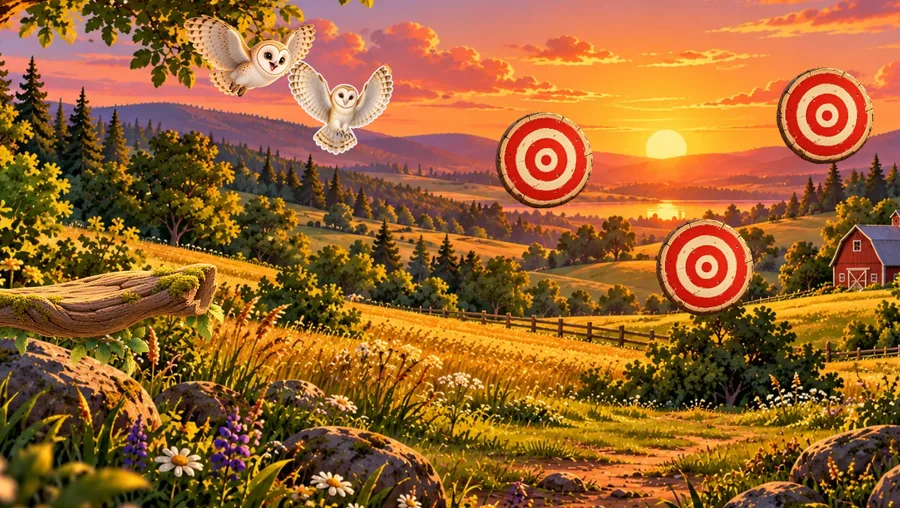
  2. The owl part way through her curved flight toward the targets

    2Let go

    She flies in a curve, because gravity is pulling her down the whole way. Aim above the target, not at it. Real owls do the same thing: they launch high and drop onto prey.

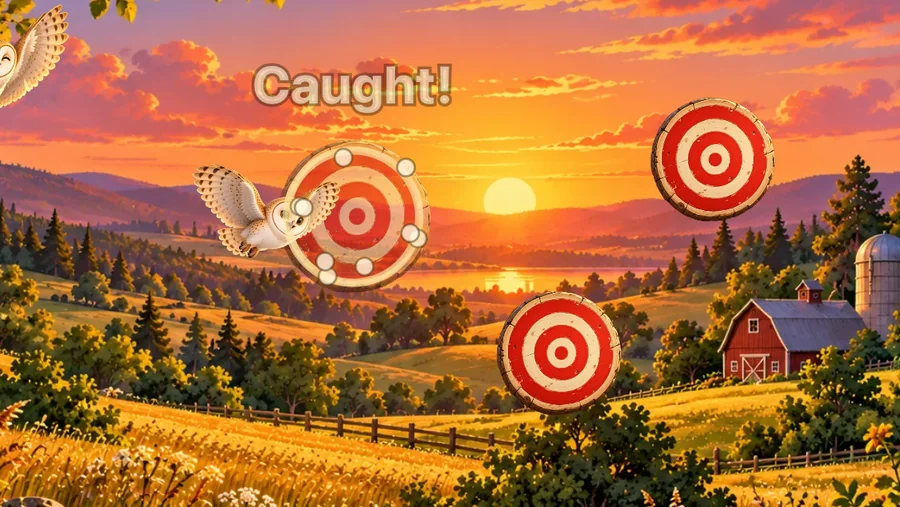
  3. The owl holding a target, with a burst and the word Caught

    3Catch it

    Touch a target and it is yours. One catch per launch, so no greedy shots through two at once. Clear every target on the level before your launches run out.

Then it stops being easy

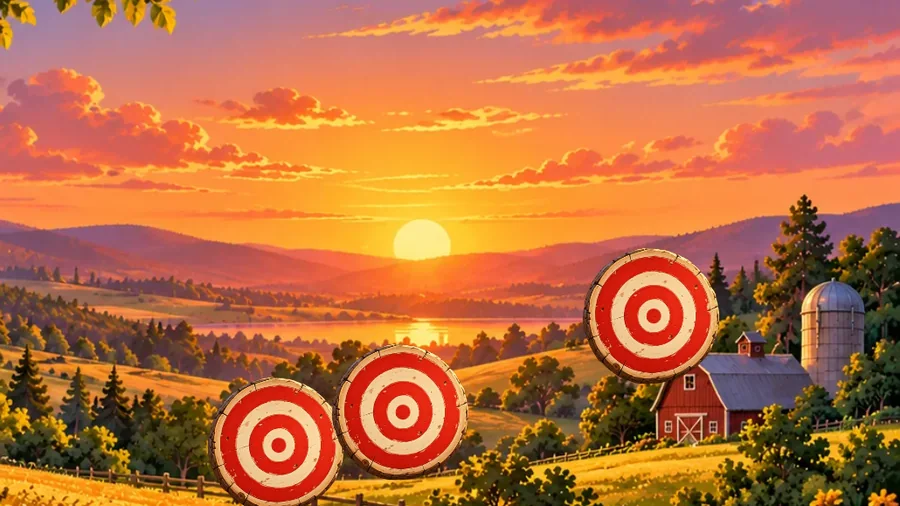
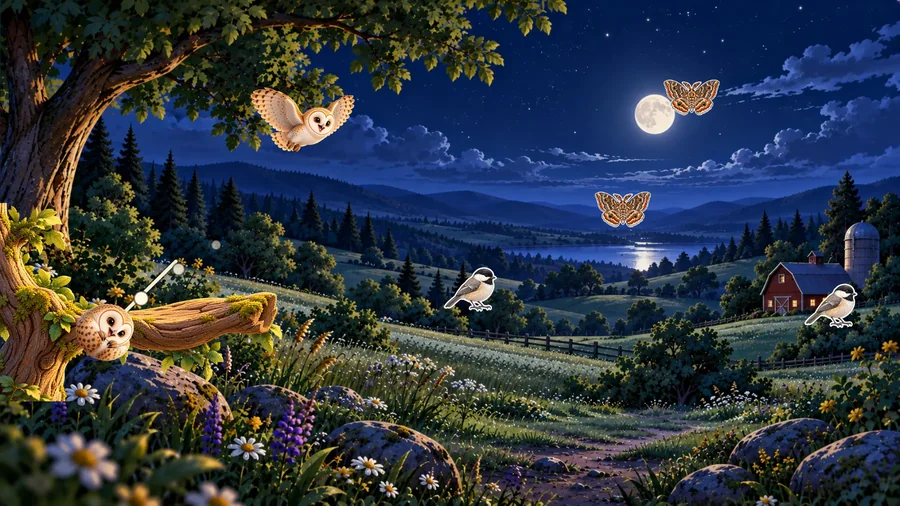
Level 2 sets the targets swinging across the field. Level 3 shrinks them. Level 4 is at night, there are four of them, and they are real prey instead of practice boards. You get fewer launches each time, so every miss costs you.

Targets swinging across the field on level 2 Level 4 at night, with two birds and two moths over a moonlit meadow

What the owl is really doing

and why it is so hard
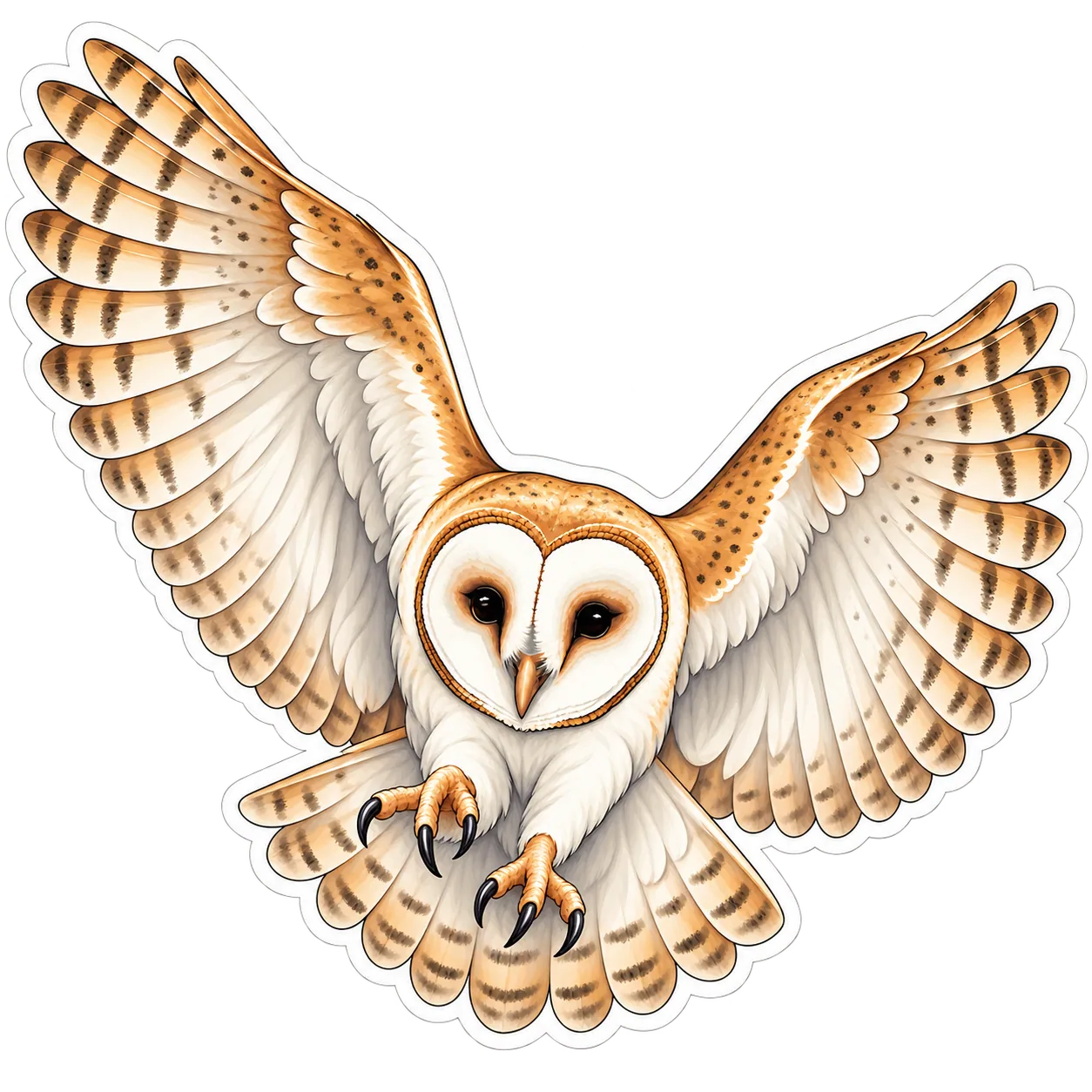
A barn owl in flight with its flat face turned forward

An owl hears exactly where you are

A barn owl's flat face works like a satellite dish. It funnels sound into two ears that are not level with each other, because one sits a little higher than the other. A squeak reaches one ear a whisker before it reaches the other, and that tiny gap tells the owl where the mouse is: left or right, and high or low.

It can catch a mouse under snow, in the dark, without ever seeing it.
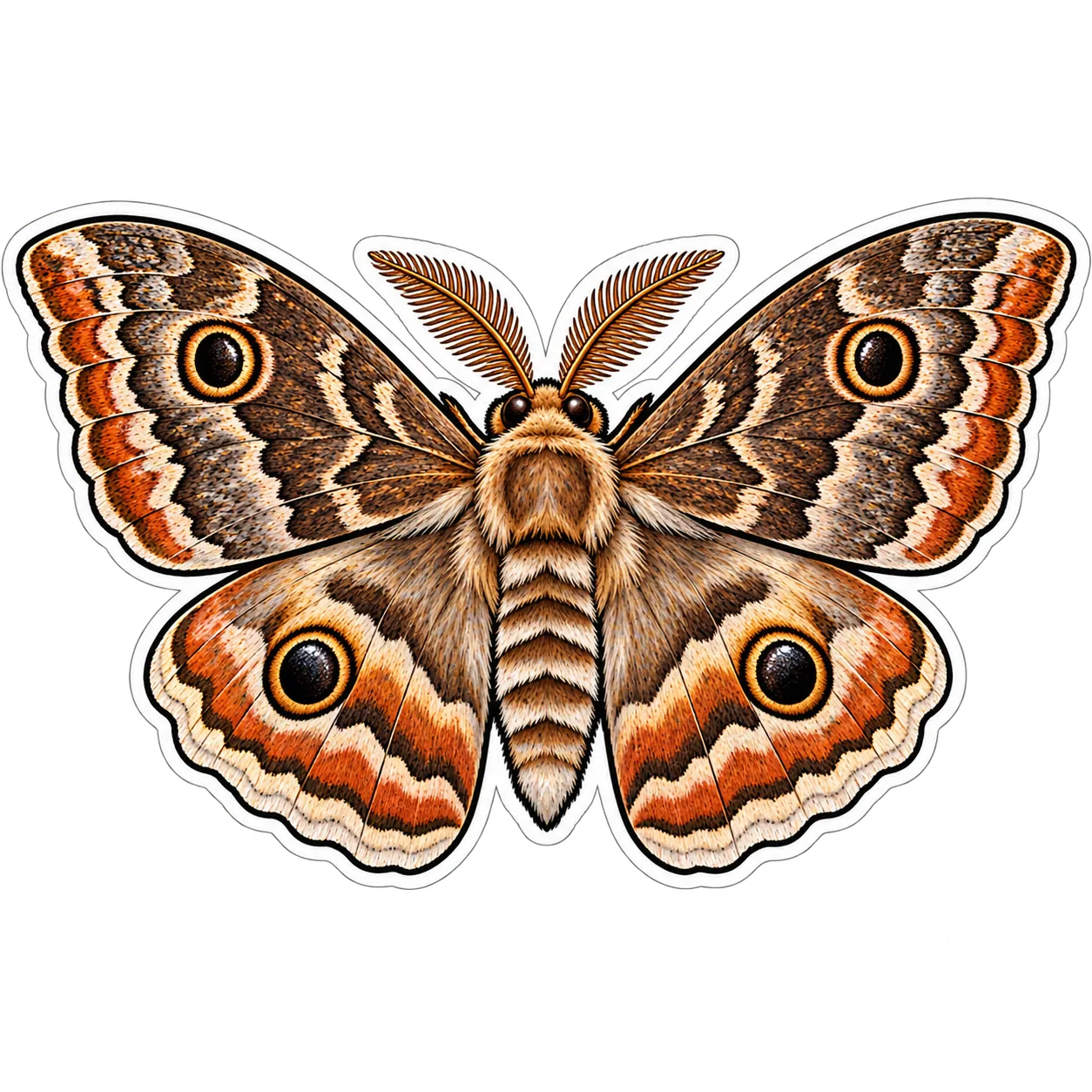
A moth

Most owl dinners cannot fly

Level 4 throws birds and moths at you, and those really are the things a barn owl snatches out of the air. But they are the rare treat. Nearly everything else it eats gets picked up off the ground: voles, mice and shrews. In a good vole year a barn owl hardly bothers with anything else.

More than 9 out of every 10 mouthfuls is a small furry animal.

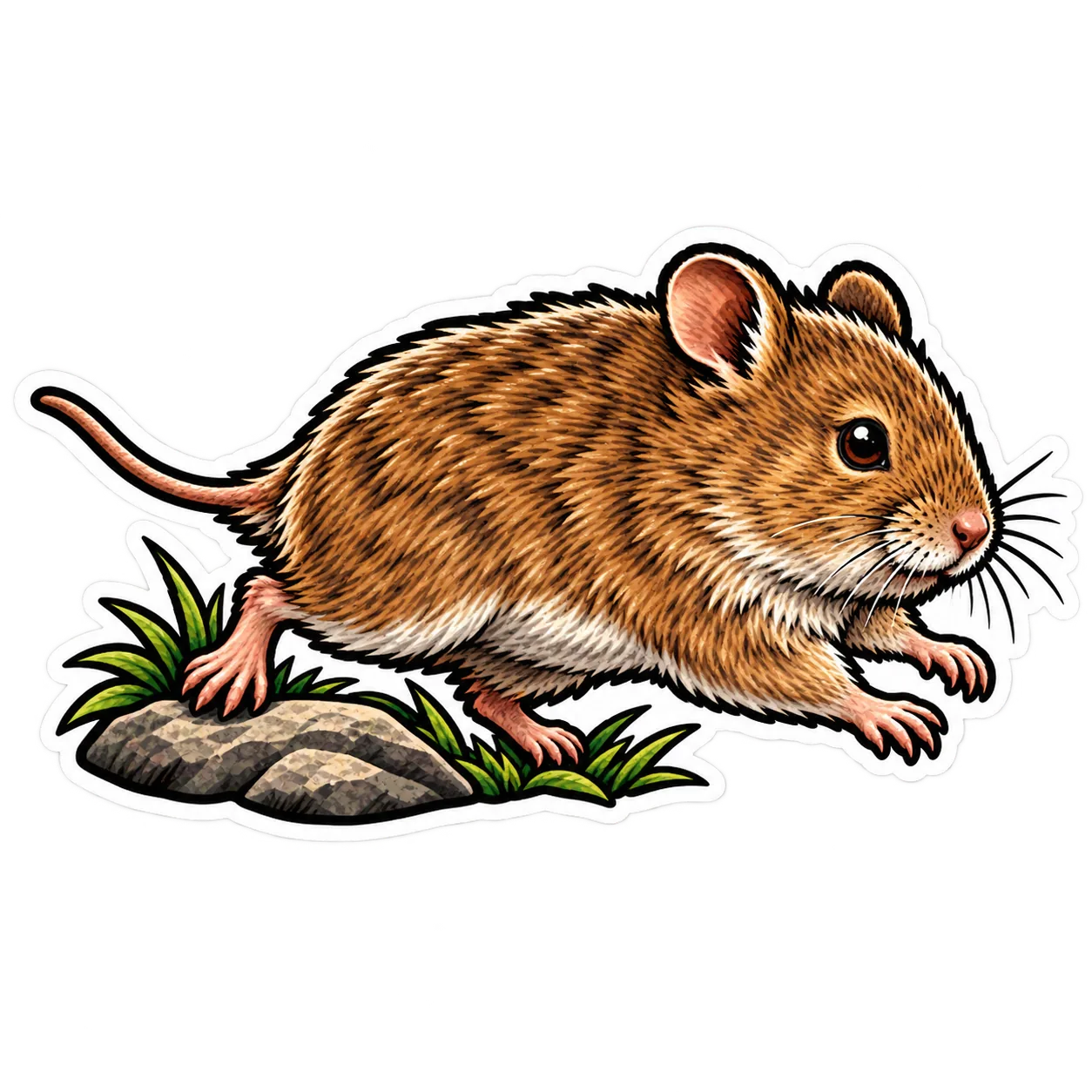
A vole, the small round-nosed rodent barn owls eat most of

Owls cough up the evidence

An owl swallows its dinner whole. Fur, bones, teeth, all of it. It cannot digest the furry parts, so a few hours later it coughs them back up as a neat gray lump called a pellet. Pull a pellet apart and the tiny skulls inside tell you exactly what that owl ate, and roughly when.

That is how anyone knows. And you can do it yourself.

Open a pellet in Virtual Pellet →

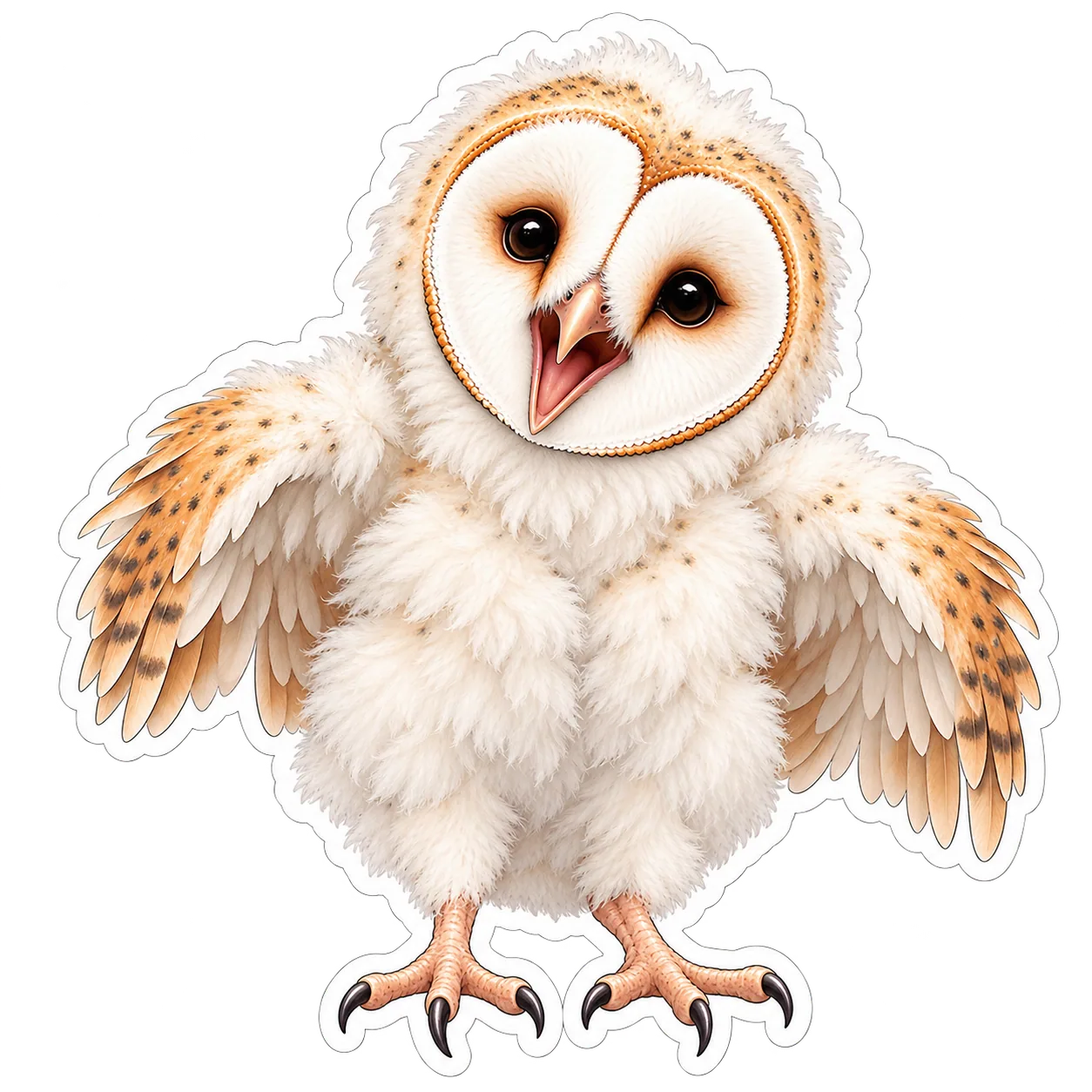
A young barn owl still covered in white down

The hardest few weeks of an owl's life

Look at the order of the levels: still, then moving, then small, then dark. That is the real order a young barn owl has to learn it in, and it does not get long. Its parents stop bringing food while it is still working the whole thing out.

Most young barn owls do not survive their first year. That is why a pair lays so many eggs.

Play another

all eight →

Wild Slice

Pick a predator and swipe its dinner out of the air.

10 min ages 6+Food webs

Play Wild Slice

Virtual Pellet

Soak it, pull it apart, and find out what the owl ate.

45 min ages 8+Food webs

Play Virtual Pellet

Feed the Bears

Line up three and the bear eats. Berries are worth one. Salmon is worth six.

10 min ages 5+Diet & seasons

Play Feed the Bears