
Dissecting the Food Web
Provide OBDK Owl Pellets Kits . Students carefully dissect, identify bones with charts, and record prey species. Then, compare findings to different regions or seasons. Ask: What might these results…
- Kit needed
Provide OBDK Owl Pellets Kits. Students carefully dissect, identify bones with charts, and record prey species. Then, compare findings to different regions or seasons. Ask: What might these results tell us about local farming or weather patterns? This isn’t just dissection, it’s data storytelling.
Questions to ask
- What might these results tell us about local farming or weather patterns?
Where it comes from
Some scientists collect soil samples or trap insects. Barn Owls leave behind pellets, and every pellet is a complete data set.
After eating, owls regurgitate compact bundles of fur, bone, and feathers. They do it instinctively, but unknowingly, they’re documenting their environment. Every pellet shows what species thrive nearby, what disappears, and what kind of balance the land holds.
“Every pellet is a story, of what thrived, what vanished, and how the land itself is changing.”
Read the blog post ↗ The Pellet Project: Tracing Diets from the Inside Out · 2025-11-07
Workspace
Run it with your class
Set up the class, count what needs counting, write down what happened, then save it and take it with you. Everything here stays in this browser until you download it.
The class
Counters
Results table
Notes as you go
This activity has no numbered steps, so use the notes box.
Answers to the questions
Activities like this one
Summer Pellet Detective Lab
This works well for home, camp, library programs, or a summer school science station.
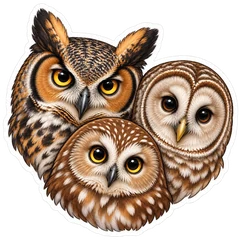 Owls
7 steps · Kit needed
Run ✓
Storytime Sleuths (Campfire Version)
Here is the full activity in a camp-friendly format. It works as a science station, writing workshop, rainy-day program, or evening campfire share.
Owls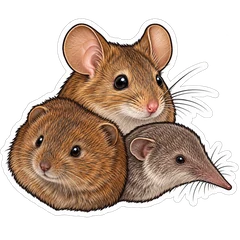 Small mammals & prey
6 steps · Kit needed
Run ✓
Pellet or Poop?
Start by showing students photos or models of three things:
Owls
Kit needed
Run ✓