
Summer Pellet Detective Lab
This works well for home, camp, library programs, or a summer school science station.
- Kit needed
- 7 steps
summer science does not have to start with a worksheet.
This works well for home, camp, library programs, or a summer school science station.
Camp twist: let groups name themselves “field teams” and present one discovery to the group. Suddenly, a summer table becomes a wildlife lab.
Questions to ask
- ask, “What might be inside, and why?
Where it comes from
It can start at the kitchen table, on a picnic bench, or under a shady porch with one small owl pellet and a big question:What happened here? Owl pellets are one of those rare activities that feel like a mystery, a nature walk, and a science lab all at once. For kids at home, summer camp, or homeschool co-op, they offer something especially valuable: a real object to investigate. Not a screen. Not a pretend dataset. A clue.
An owl pellet is made of the parts an owl cannot digest well, such as fur, feathers, and bones. After an owl eats, those materials are packed into a pellet and coughed back up later. That may sound odd at first, but to a young scientist, it is a perfect evidence bundle. A pellet can help kids ask:
Read the blog post ↗ Owl Pellets in Summer: The Backyard Science Activity Kids Actually Remember · 2026-06-15
Workspace
Run it with your class
Set up the class, count what needs counting, write down what happened, then save it and take it with you. Everything here stays in this browser until you download it.
The class
Counters
Results table
Notes as you go
Answers to the questions
Activities like this one
Storytime Sleuths (Campfire Version)
Here is the full activity in a camp-friendly format. It works as a science station, writing workshop, rainy-day program, or evening campfire share.
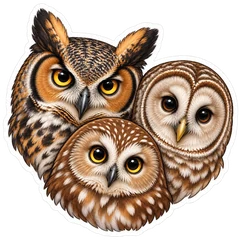 Owls
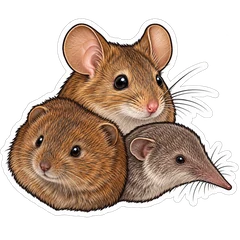 Small mammals & prey
6 steps · Kit needed
Run ✓
Pellet or Poop?
Start by showing students photos or models of three things:
Owls
Kit needed
Run ✓
Pellet Data Detectives
Turn owl pellet study into a biodiversity investigation, not just a dissection.
OwlsSmall mammals & prey
Kit needed
Run ✓