
Pellet or Poop?
Start by showing students photos or models of three things:
- Kit needed
Owl pellets are not poop, and they usually do not smell.
Turn the misconception into the lesson.
Start by showing students photos or models of three things:
- Owl pellet
- Bird whitewash/excrement
- Mammal scat
Do not label them at first. Ask students to make observations only. No guessing yet. Just evidence.
Students record:
| Mystery Sample | Shape | Texture | Contents | Where Found | Prediction |
|---|---|---|---|---|---|
| Sample A | Oval, compact | Fur-like | Tiny bones visible | Under owl roost | Pellet |
| Sample B | White splatter | Liquid/dried stain | No bones | Under perch | Bird excrement |
| Sample C | Tubular | Solid waste | Plant/food remains | Trail or ground | Mammal scat |
Then reveal the answer and have students explain which clues mattered most.
The Key Teaching Moment
That question turns a silly myth into scientific reasoning.
Questions to ask
- What made us think one sample was poop, and what evidence changed our mind?
Where it comes from
Let’s be honest.
The first time a student sees an owl pellet, there is usually one question waiting to explode out of the room:
Read the blog post ↗ Myth-Busters: Owl Pellets Aren’t Poop! · 2026-06-01
Workspace
Run it with your class
Set up the class, count what needs counting, write down what happened, then save it and take it with you. Everything here stays in this browser until you download it.
The class
Counters
Results table
Notes as you go
This activity has no numbered steps, so use the notes box.
Answers to the questions
Activities like this one
Summer Pellet Detective Lab
This works well for home, camp, library programs, or a summer school science station.
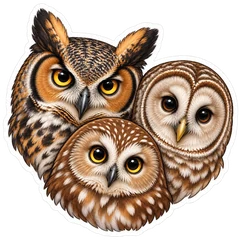 Owls
7 steps · Kit needed
Run ✓
Storytime Sleuths (Campfire Version)
Here is the full activity in a camp-friendly format. It works as a science station, writing workshop, rainy-day program, or evening campfire share.
Owls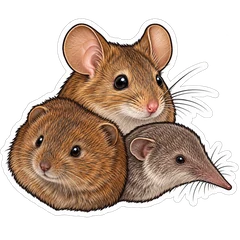 Small mammals & prey
6 steps · Kit needed
Run ✓
Pellet Data Detectives
Turn owl pellet study into a biodiversity investigation, not just a dissection.
OwlsSmall mammals & prey
Kit needed
Run ✓