
March Field Signs: Pellets, Whitewash, and the Roost Understory
This turns field signs into real scientific thinking in 20, 30 minutes.
- Kit needed
- 2 steps
Evidence vs Inference Lab: “What’s Here and How Sure Are You?”
This turns field signs into real scientific thinking in 20, 30 minutes.
- Observation
- Inference
- Confidence (High / Medium / Low)
- Observation: what they can directly see
- Inference: what they think it suggests
- Confidence: how sure they are, and why
Example
- Observation: “I see a pellet under a tree limb.”
- Inference: “An owl used this perch.”
- Confidence: Medium (needs more evidence like whitewash or multiple pellets)
The scientist sentence frame (gold for writing)
“I observe ____. This may suggest ____ because ____. My confidence is ____.”
Extension (optional)
Add one “trick” card: something that looks like a pellet but isn’t (or whitewash from another bird). Students learn that field science is careful science.
Turn Roost Evidence Into a Food Web Lesson
This is where the pairing becomes powerful:
- Owl pellets = the diet evidence
- Prey ID chart/poster = consistent identification and vocabulary
- Together = a class-built food web model that connects habitat to prey to predator
A simple sequence that works:
- Read the roost signs (paperwork)
- Dissect pellets (proof)
- Build a habitat-based food web (story)
Questions to ask
- “What’s Here and How Sure Are You?
Where it comes from
Before you see an owl, you can find the paperwork.
March is a funny month for owl-watching.
The trees are still half-asleep, the light is changing fast, and owls are suddenly everywhere, except, of course, where you’re looking.
Read the blog post ↗ March Field Signs: Pellets, Whitewash, and the Roost Understory · 2026-02-25
Workspace
Run it with your class
Set up the class, count what needs counting, write down what happened, then save it and take it with you. Everything here stays in this browser until you download it.
The class
Counters
Results table
Notes as you go
Answers to the questions
Activities like this one
Summer Pellet Detective Lab
This works well for home, camp, library programs, or a summer school science station.
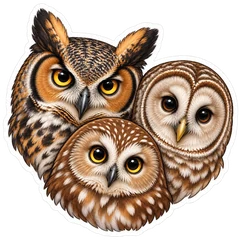 Owls
7 steps · Kit needed
Run ✓
Storytime Sleuths (Campfire Version)
Here is the full activity in a camp-friendly format. It works as a science station, writing workshop, rainy-day program, or evening campfire share.
Owls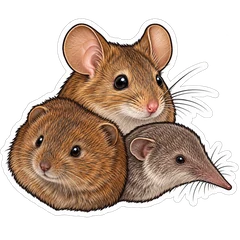 Small mammals & prey
6 steps · Kit needed
Run ✓
Pellet or Poop?
Start by showing students photos or models of three things:
Owls
Kit needed
Run ✓