
Pellet Seasonality: What’s on the Menu Changes With the Weather
Big idea: You don’t need a pellet labeled “winter” to teach winter ecology. You need students to practice the real scientific move: compare patterns and propose explanations.
- Kit needed
- 5 steps
Same owl. Different season. Different prey.
Activity: “Seasonality Without Labels”, Build the Dataset, Then Explain the Season
Big idea: You don’t need a pellet labeled “winter” to teach winter ecology. You need students to practice the real scientific move: compare patterns and propose explanations.
Time
1 class period (or 2 if you want strong CER writing)
Each group dissects 1, 2 pellets and records counts in simple categories:
- vole
- mouse
- shrew
- “unknown small mammal / unsure” (allowed, this is real science)
Teacher upgrade: add a confidence column (High / Medium / Low). Students learn accuracy matters more than guessing.
Now the class has multiple datasets: Dataset A, Dataset B, Dataset C… Not “winter/fall/spring.”
Give each group the same three cards:
Season Card 1: Deep Snow Winter
- Rodents travel under snow (subnivean)
- Access is limited; edges/openings matter
- Hunting favors what’s easiest to detect/catch
Season Card 2: Fall Edge Season
- Little/no snow barrier
- Edges, barns, and fencelines concentrate rodents
- Prey movement is high; access is stable
Season Card 3: Spring Ramp-Up
- Vegetation returns; hiding cover increases weekly
- Nesting season can increase demand
- Prey patterns shift as habitat changes
Each group chooses the season card that best fits their dataset pattern.
But they must include a scientist sentence:
“We can’t know the true season of this pellet, but our pattern is consistent with ____ conditions because ____.”
This is the “honesty clause” that makes the activity rock-solid for teachers.
Claim (choose one):
- “Our dataset is most consistent with ____ seasonal conditions.”
- “Seasonal conditions can change prey accessibility, which can change what Barn Owls catch.”
Evidence (numbers required):
- “We found ___ vole, ___ mouse, ___ shrew in our pellet(s).”
- “Our dataset shows higher/lower diversity than Dataset B.”
Reasoning (connect to a driver):
- snow cover changes access
- vegetation changes hiding/runways
- prey cycles shift abundance
- spring demand increases deliveries
CER sentence frame:
“Season affected prey because ____ changes ____ (access/cover/movement), which would lead to ____ in a Barn Owl’s diet.”
Groups post their season match + one-sentence justification.
Another group asks: “What other season card could also explain your data?”
Original group replies with a limitation statement.
That’s scientific thinking in miniature.
Questions to ask
- “What other season card could also explain your data?
Where it comes from
Reality check: With classroom pellets, we can’t know the exact season a pellet was cast. But we can teach seasonality the way ecologists do it: patterns + plausible explanations + evidence-based reasoning.
Barn Owls are basically night-shift field biologists who leave you a compact report. Not a written report, obviously. A fur-and-bone one.
Read the blog post ↗ Pellet Seasonality: What’s on the Menu Changes With the Weather · 2026-02-16
Workspace
Run it with your class
Set up the class, count what needs counting, write down what happened, then save it and take it with you. Everything here stays in this browser until you download it.
The class
Counters
Results table
Notes as you go
Answers to the questions
Activities like this one
Summer Picnic Reverse Pellet Lab
This activity turns owl pellets into a playful summer food-web mystery. The twist? Students are not just asking, “What did the barn owl eat?” They are also building the “Nope, Not Dinner” side of the…
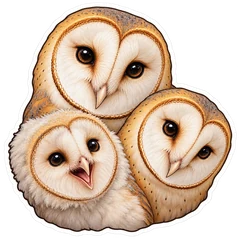 Barn owls
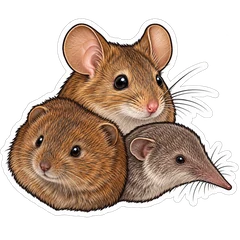 Small mammals & prey
3 steps · Kit needed
Run ✓
Map the Menu
Bonus: Ask students to include a “confidence level” (high/medium/low) and explain what additional evidence they’d want.
Small mammals & preyBarn owls
No prep
Run ✓
Pellet Data Detective Lab (Graph + CER + Food Web)
Claim: What type of habitat does this owl hunt near? Evidence: Use at least 3 prey categories to support your claim. Reasoning: Explain how each prey type connects to habitat features (cover, edges,…
Small mammals & preyBarn owls
No prep
Run ✓