
When bats and owls become part of someone else’s plan: that's functional symbiosis
Most students can build a food web. Now have them build a function web .
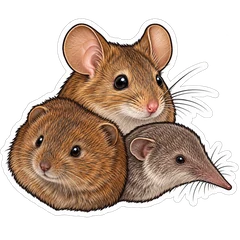 Small mammals & prey
- Kit needed
- 3 steps
In the nighttime world, “teamwork” doesn’t look like a handshake. It looks like a flower that acts like a sonar reflector… and a farm that quietly hires an owl.
Activity: Build a “Function Web” Instead of a Food Web
Most students can build a food web. Now have them build a function web.
- Nectar bat
- Barn owl
Students connect each with arrows labeled by function, not diet:
Bat function web ideas
- Flower → “acoustic reflector” → bat finds nectar faster
- Bat → pollination → flower reproduction success
- Pitcher plant → acoustic beacon → bat roost location
- Bat → guano → plant nutrients
Owl function web ideas
- Farm landscape → nest box → owl nesting success
- Owl → rodent predation → reduced rodent pressure
- Rodenticides → secondary poisoning risk → reduced owl service
Claim: “This is functional symbiosis because…”
Evidence: cite the function arrow they used
Reasoning: explain why the function benefits both parties
Exit ticket:
“One partnership worked because one species evolved or provided ______ that solved ______.”
Where it comes from
Symbiosis can sound like a tidy biology word. Two species. One relationship. End of story.
But in real ecosystems, it’s messier and more interesting. Many partnerships are not about friendship. They’re about function. One organism solves a problem for another, and both sides come out ahead.
Read the blog post ↗ When bats and owls become part of someone else’s plan: that's functional symbiosis · 2026-04-30
Workspace
Run it with your class
Set up the class, count what needs counting, write down what happened, then save it and take it with you. Everything here stays in this browser until you download it.
The class
Counters
Results table
Notes as you go
Activities like this one
Who Controls the Pests? Ecology Challenge
Create two farm models, one with owls and bats, one without.
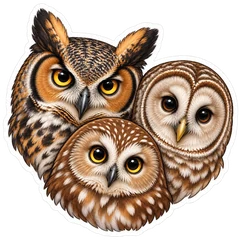 Owls
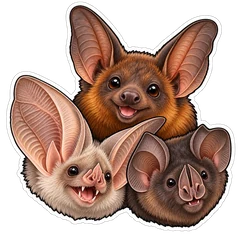 Bats
No prep
Run ✓
Build the Wildlife Starting Lineup
Turn the question into a low-prep debate and sorting activity.
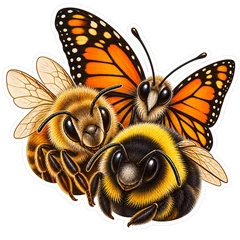 Bees & pollinatorsOwls
5 steps · Print & go
Run ✓
What Is That “Worm” on My Pellet?
This activity teaches why sterilization matters, without suggesting any classroom pellet problems. It frames the idea correctly: in nature pellets can be used by recyclers; in classrooms we sterilize…
OwlsBees & pollinators
1 steps · Print & go
Run ✓