
Who Controls the Pests? Ecology Challenge
Create two farm models, one with owls and bats, one without.
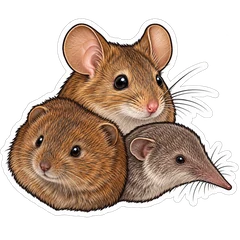 Small mammals & prey
- No prep
Create two farm models, one with owls and bats, one without.
- Students remove “pest” cutouts to represent natural predation
- Track which farm stays healthiest
- Discuss how wildlife reduces the need for pesticides
This activity highlights the real-world benefits farmers gain from coexistence with nocturnal predators.
Where it comes from
Whether it’s the soft swoop of an owl or the flutter of a bat at dusk, the night sky is full of quiet workers doing essential jobs. These animals may be easy to miss, but their ecological impact is enormous.
Fun fact: A single bat colony can devour hundreds of tons of insects in a summer, naturally reducing pesticide use and keeping crops healthy.
Together, bats and owls form a powerful ecological duo, one controlling insects, the other managing rodents, all while keeping ecosystems in balance.
Read the blog post ↗ Nighttime Nature Heroes: How Owls & Bats Help Our Ecosystems (and Why They Need Us) · 2025-11-14
Workspace
Run it with your class
Set up the class, count what needs counting, write down what happened, then save it and take it with you. Everything here stays in this browser until you download it.
The class
Counters
Results table
Notes as you go
This activity has no numbered steps, so use the notes box.
Activities like this one
When bats and owls become part of someone else’s plan: that's functional symbiosis
Most students can build a food web. Now have them build a function web .
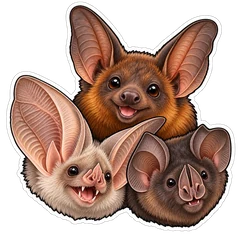 Bats
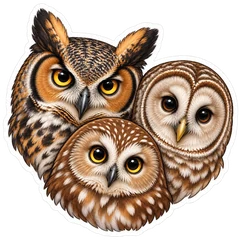 Owls
3 steps · Kit needed
Run ✓
Build the Wildlife Starting Lineup
Turn the question into a low-prep debate and sorting activity.
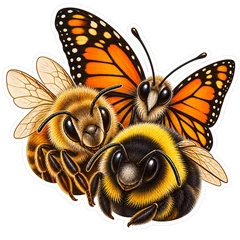 Bees & pollinatorsOwls
5 steps · Print & go
Run ✓
What Is That “Worm” on My Pellet?
This activity teaches why sterilization matters, without suggesting any classroom pellet problems. It frames the idea correctly: in nature pellets can be used by recyclers; in classrooms we sterilize…
OwlsBees & pollinators
1 steps · Print & go
Run ✓