Hoot & Hunt
A young owl learning to judge a distance, four times over.

Science for Children of All Ages.
Change the world and the animals change. The six jobs do not.
A chess set is a food web and nobody says so. Eight pawns that are worth almost nothing on their own, a piece everything turns on, and a king that is never caught but loses anyway when there is nothing left holding it up. Pick a world, ice or farmland or forest or open coast, and it fills those six jobs with the animals that live there. Click any piece and it tells you why it has the job it has.
Arctic ice
Energy moves upward
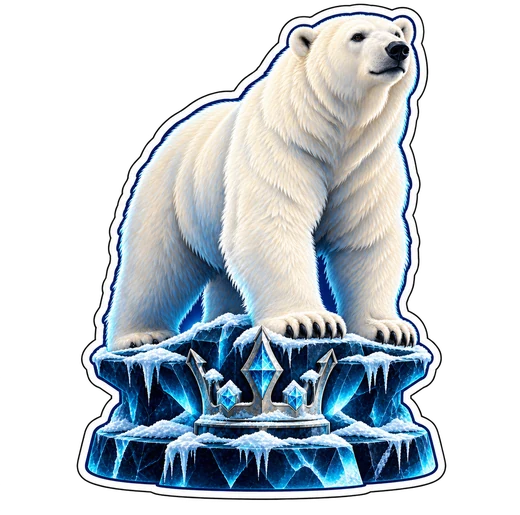
The apex predator of this Arctic food web. It sits at the top, but it depends on everything below it. If the lower levels of the ecosystem collapse, the polar bear is affected too.
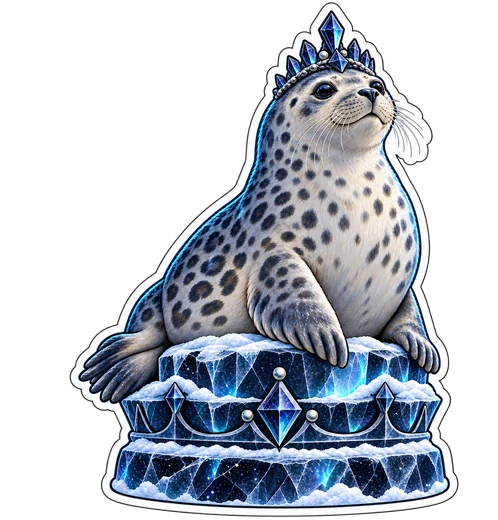
The key prey species for polar bears. Ringed seals are one of the most important sources of fat and energy for polar bears, so they are extremely important to the whole system represented on the board.
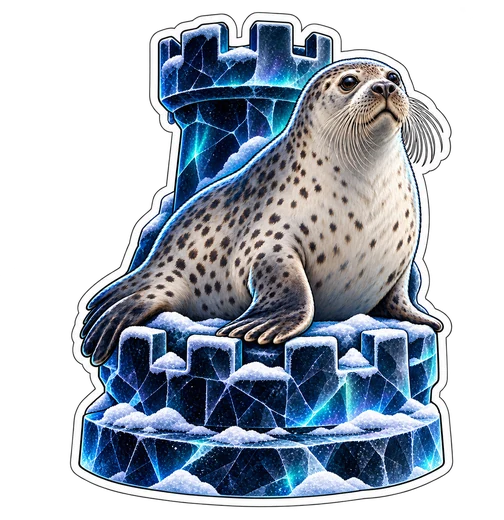
A large marine prey animal. Bearded seals are another substantial food source for polar bears and represent the bigger, energy-rich animals in the marine food web.
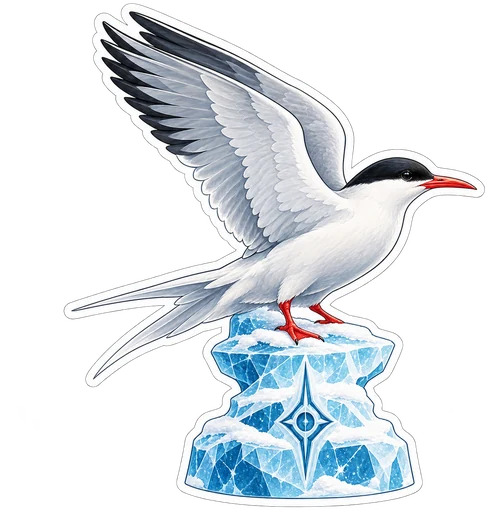
A mobile mid-level consumer. Seabirds feed on fish and small marine animals, linking different parts of the Arctic ecosystem and showing that the food web is not only about bears and seals.
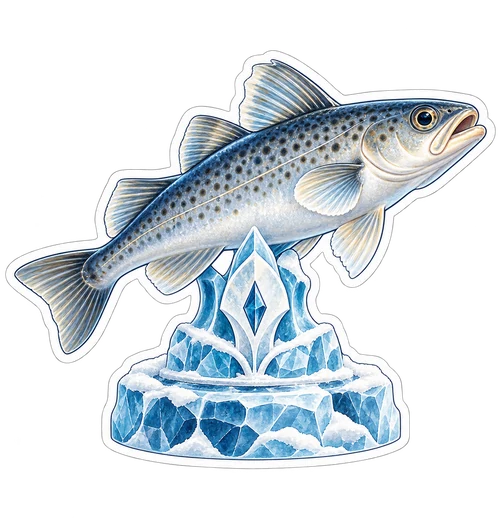
The connector of the food web. Arctic cod feed on smaller marine organisms and are eaten by seals, seabirds and other predators. They move energy from the lower levels of the ocean upward.
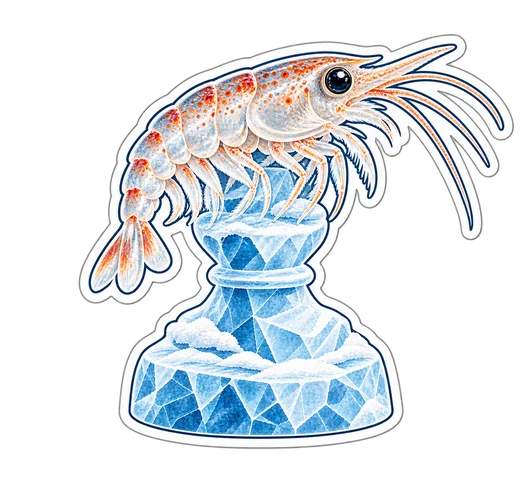
The small prey foundation. Krill are tiny, but they occur in huge numbers and help support fish, seabirds and marine mammals. They show that the smallest creatures can be essential to the survival of the largest predators.
That is the key idea behind Ecology Boards: the chess hierarchy mirrors a food web, but it also teaches that the smallest pieces are not unimportant. The pawns represent the organisms that support the entire system.
Barn and field
Energy moves upward
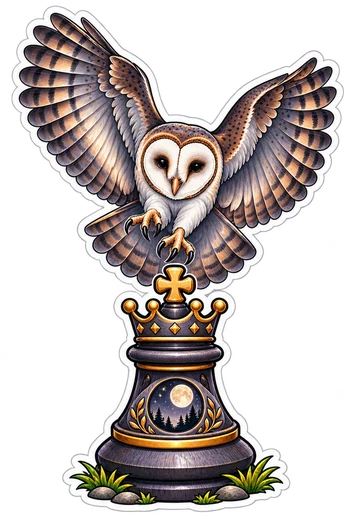
The apex night hunter and the heart of this ecology. The king is the barn owl because the whole set revolves around its survival, hunting, and nesting life.
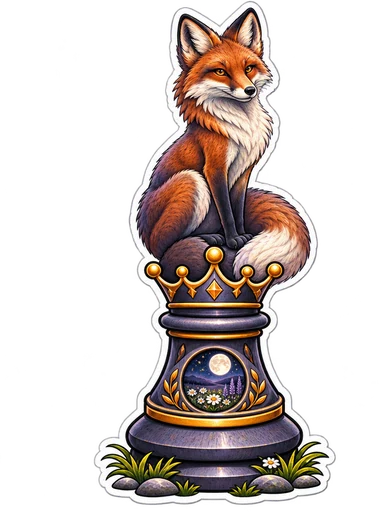
A powerful, adaptable predator of the same farmland world. The fox ranges widely across fields and hedgerows, so it becomes the most mobile supporting power in the set.
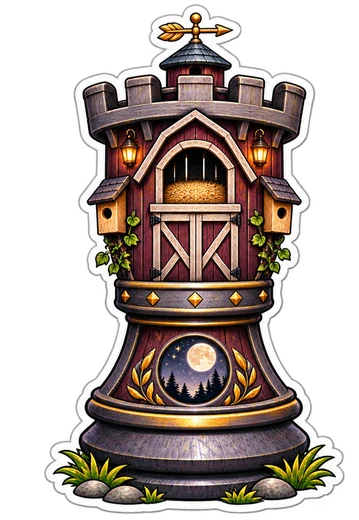
The stronghold of the ecosystem. Barns, lofts, and nest spaces give barn owls shelter, nesting places, and a base from which to hunt.
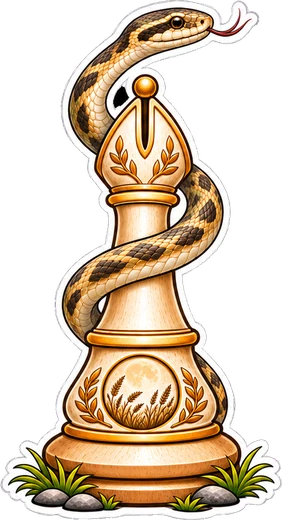
A grassland hunter moving quietly through field margins. The snake connects the lower prey layer to the wider food web and brings a sleek diagonal energy to the set.
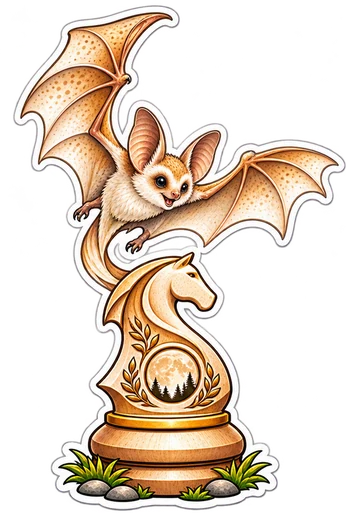
An agile night flyer sharing the dusk sky. The bat fits the knight because of its quick, unpredictable movement and its close link to the same nocturnal habitat.
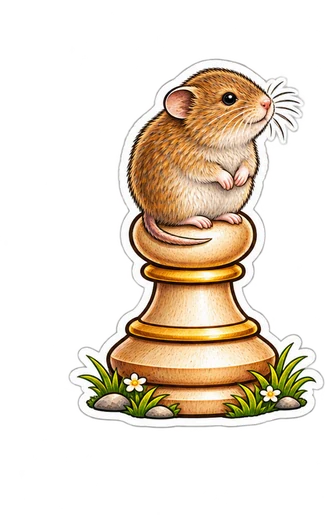
The small, abundant prey base that helps sustain the whole system. Voles are the essential everyday food source beneath the larger drama of the ecology.
Light and dark sides represent two teams for play, but both belong to the same barn owl ecosystem.
Gray wolf country
Energy moves upward
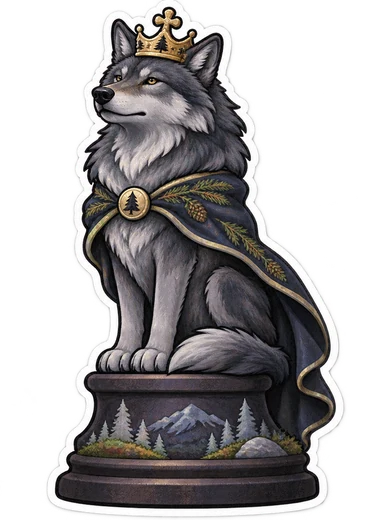
The apex predator. Wolves sit near the top of the food web and strongly influence prey populations and scavenger access to carcasses.
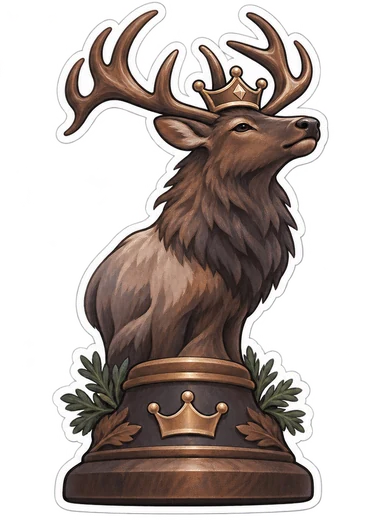
The primary large prey. In places like Yellowstone, elk make up a major part of the wolf diet, so they are the most important prey species in this set.
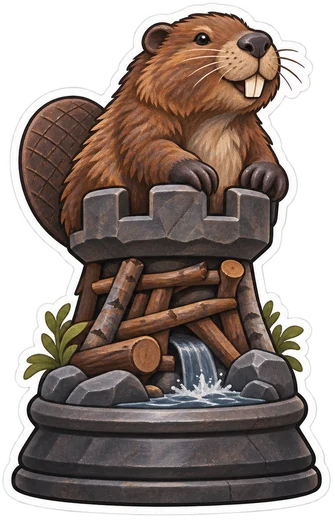
A smaller but important prey species. Wolves commonly take beavers where they are available, especially as a supplemental food source.
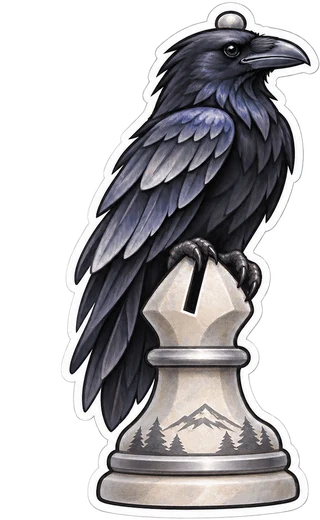
The scavenger connection. Ravens benefit directly from wolf kills and often arrive very quickly to feed on carcasses, so they show how a predator can support other species.
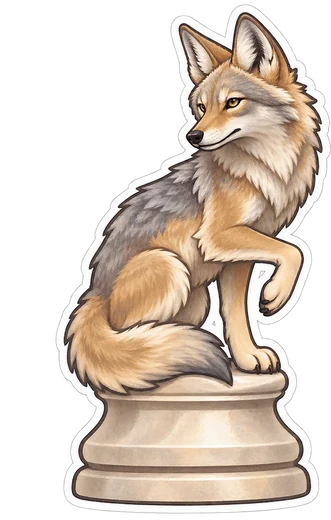
A competitor and scavenger. Coyotes overlap with wolves, sometimes feed at wolf kills, and can also compete with them in the same ecosystem.
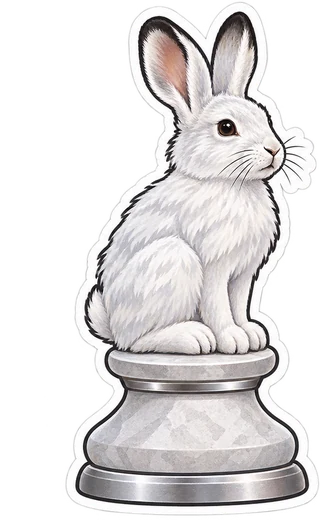
The small-prey layer. Hares are not the wolf's main food, but wolves do take them, and they represent the smaller prey base beneath the large ungulates.
The wolf may be the king, but its whole ecosystem depends on prey, competitors, and scavengers around it.
White shark coast
Energy moves upward
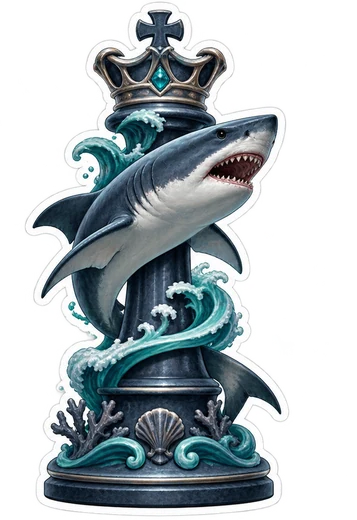
The apex predator. The great white sits at the top of this coastal marine food web and helps regulate large prey populations.
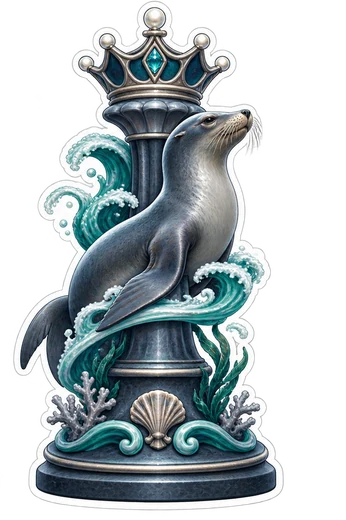
A major prey species and a powerful marine mammal in its own right. Sea lions are fast, mobile, and an important energy source for large sharks.
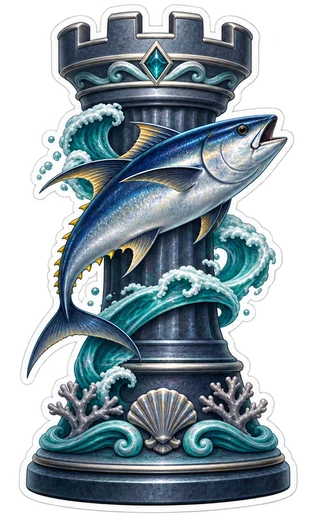
Represents the strong, mobile fish layer of the ecosystem. Large fish move energy through open water and connect smaller prey to top predators.
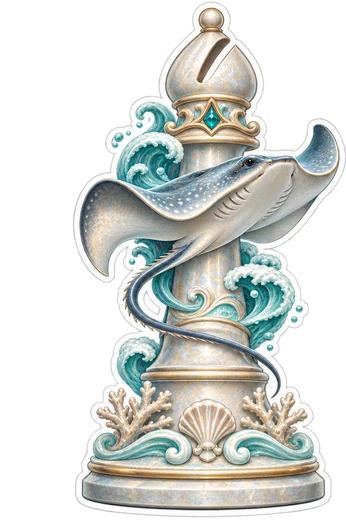
A lower-level predator that feeds on fish, crustaceans, and other benthic animals. Stingrays help connect the seafloor food web to larger predators.
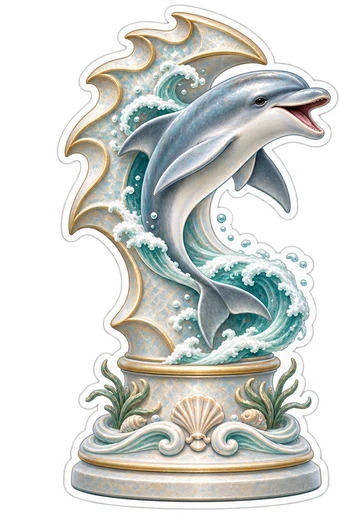
A highly mobile marine predator. Dolphins represent speed, intelligence, and movement across the ecosystem, feeding on fish and competing within the same food web.
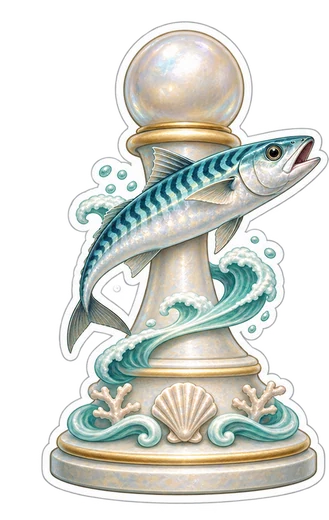
The abundant small-prey layer. Mackerel and other schooling fish transfer energy from plankton and smaller organisms upward to larger fish, marine mammals, and sharks.
The great white may be the king, but it depends on the entire food web below it.
A young owl learning to judge a distance, four times over.
Pick a predator and swipe its dinner out of the air.
Soak it, pull it apart, and find out what the owl ate.