
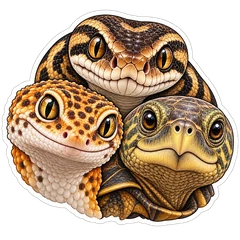
 Snakes & reptiles
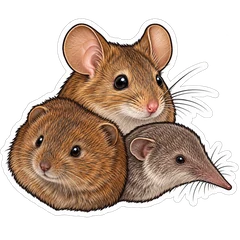 Small mammals & prey
Here’s a quick activity you can do with minimal prep.
1. Animal Card Sort
Create or print simple picture cards of:
- Ground squirrel
- Bat
- Chipmunk
- Black bear
- Owl
- Chickadee
- Canada goose
- Monarch butterfly
- Frog
- Snake
Have students sort them into:
- Hibernate / Deep Rest
- Migrate
- Stay Active
Then gently correct a few common misconceptions:
- Bears: more “torpor/denning” than classic hibernation
- Owls & most birds: active or migratory, not hibernators
- Reptiles & amphibians: overwinter in a slowed state, but not all in the same way
2. Quick Writing Prompt
Let students choose one path and one animal:
- “If I hibernated like a ground squirrel…”
- “If I migrated like a goose…”
- “If I stayed active like an owl…”
Then finish:
“…my biggest winter challenge would be…”
“…my biggest winter superpower would be…”
Where it comes from
When the days get short and the air has that “your nose might fall off” feel, it’s easy to imagine the whole animal world going to sleep until spring.
Some animals do get pretty close to that idea: real, deep hibernation. Owls and most birds? Not so much.
Let’s untangle who actually powers way down for winter, and why the birds at your feeder (and the owls in your neighborhood) stay awake and busy while snow piles up.
Read the blog post ↗ When Winter Hits Pause: Who Hibernates, and Why Owls (and Most Birds) Don’t · 2025-12-05
Workspace
Run it with your class
Set up the class, count what needs counting, write down what happened, then save it and take it with you. Everything here stays in this browser until you download it.
The class
Counters
Results table
Notes as you go
This activity has no numbered steps, so use the notes box.
Activities like this one
When bats and owls become part of someone else’s plan: that's functional symbiosis
Most students can build a food web. Now have them build a function web .
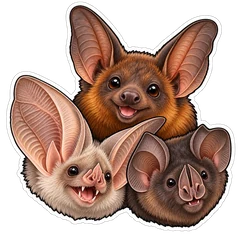 Bats
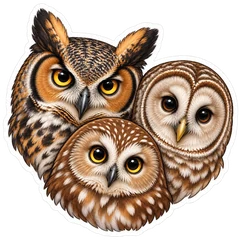 Owls
3 steps · Kit needed
Run ✓
Who Controls the Pests? Ecology Challenge
Create two farm models, one with owls and bats, one without.
OwlsBats
No prep
Run ✓
Pack, Colony, Pair, or Solo?
Here is a simple classroom activity that helps students compare social behavior without mixing up the terms.
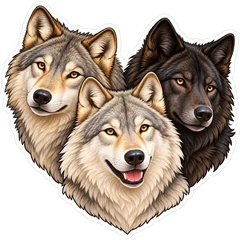 WolvesBats
Print & go
Run ✓